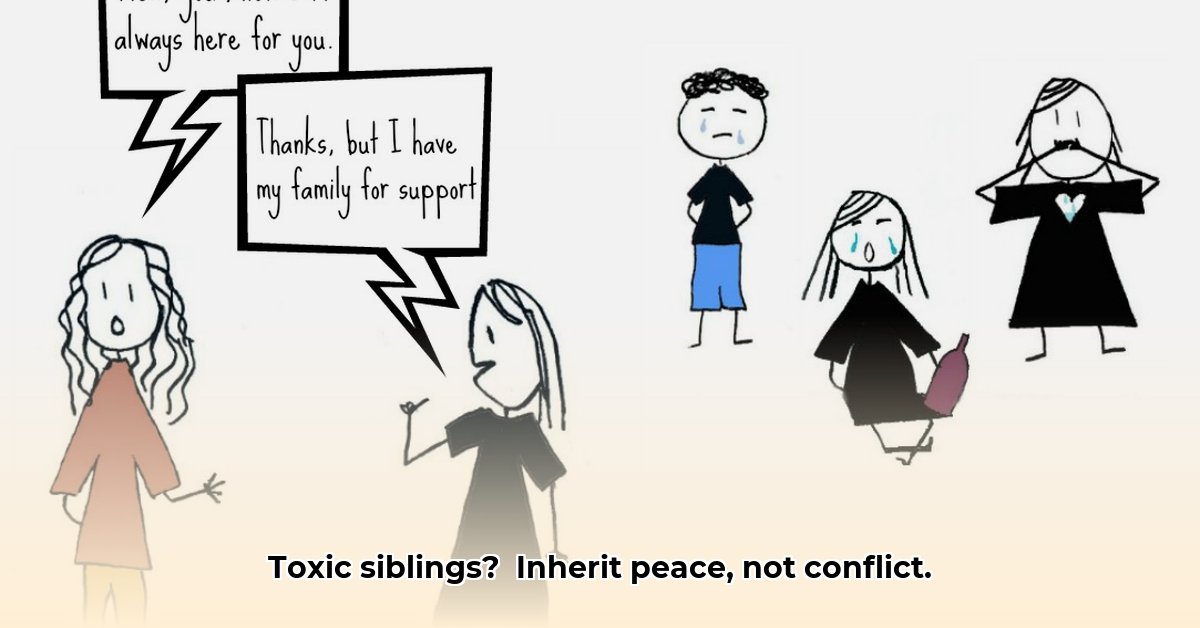
Losing a parent is devastating. Adding the complexities of a toxic sibling relationship and inheritance disputes to the mix can feel unbearable. This guide provides actionable steps to help executors navigate these challenging waters, protecting both your well-being and the integrity of the estate.
Understanding the Roots of Inheritance Disputes
The death of a parent often unveils long-suppressed family tensions, particularly when money is involved. These conflicts aren't simply about financial gain; they frequently stem from years of resentment, perceived unfairness, and unresolved power struggles. What was once a shared family history can quickly become a bitter battleground. Is it surprising that inheritance disputes are so common? No, considering the heightened emotions and financial stakes involved.
Your First Line of Defense: Meticulous Record-Keeping
Thorough documentation is your most powerful tool. This isn't just about balancing the checkbook; it's about creating an irrefutable record. Document everything: emails, texts, letters, meeting minutes, even informal agreements. This detailed paper trail is vital evidence should disagreements arise. In a court of law, “he said, she said” is insufficient. You need concrete proof.
Communication Strategies: A Delicate Balance
Open communication is ideal, but dealing with toxic siblings requires a strategic approach. Directly confronting them might escalate the situation. Instead, opt for a formal, structured meeting to present the will and answer questions. Prioritize professionalism and objectivity.
Step-by-Step Guide to a Productive Meeting:
- Set Clear Expectations: Beforehand, communicate the meeting's purpose, allocated time, and ground rules to establish a controlled environment.
- Transparency and Clarity: Clearly present the will and financial documents. Use simple language, avoiding jargon. Focus on facts, not emotions.
- Detailed Meeting Minutes: Meticulously record everything: attendees, discussions, and decisions. This record serves as crucial evidence should any dispute arise.
Seek Professional Help: Your Legal Shield
Engaging legal counsel early is an invaluable investment. A lawyer can clarify your rights and responsibilities, anticipate potential issues, and guide you through complex legal processes. Don't hesitate to seek professional guidance – it’s a crucial safeguard.
Protecting Yourself: Establishing Boundaries
Executors frequently become the focal point of sibling conflicts. Prioritizing your emotional well-being is crucial. Setting boundaries is not unkind; it is self-preservation.
- Limit Contact: If a sibling's behavior is excessively challenging, limit your interactions.
- Deflect Negativity: Politely deflect aggressive or manipulative tactics. Avoid engaging in emotionally charged arguments.
- Emotional Detachment: Focus on tasks and prevent yourself from being drawn into emotional drama.
Mediation: Exploring Alternative Dispute Resolution
Mediation, facilitated by a neutral third party, can help siblings find common ground. It's a structured process encouraging communication and negotiation, aiming for solutions rather than blame. However, it requires everyone's willingness to engage constructively.
The Legal Route: When Mediation Fails
If mediation is unsuccessful, legal action might become necessary. While less desirable, it might become essential to protect your rights and the estate's assets. Legal battles are time-consuming and expensive but sometimes unavoidable.
Prioritize Self-Care: The Emotional Toll
Handling toxic sibling relationships is remarkably emotionally taxing. Make self-care a priority. Seek support from friends, family, or a therapist. Your well-being is paramount.
Potential Problems and Mitigation Strategies
| Risk Factor | Likelihood | Potential Impact | Mitigation Strategies |
|---|---|---|---|
| Challenges to the Will | Moderate | Very High | Thorough documentation; strong legal counsel; clear will language |
| Direct Sibling Disputes | High | High | Mediation; professional help; clear communication |
| Executor Burnout | High | Moderate | Setting boundaries; support systems (therapist, friends) |
| Financial Disputes | Low | Moderate | Independent financial review; transparency |
Remember, navigating this challenging situation requires a multi-pronged approach: clear communication, meticulous documentation, professional legal advice, and consistent self-care. By combining these strategies, you can significantly increase the chances of a smoother, less stressful outcome.